Moving to a new home in North York or across Ontario is an exciting milestone, but the logistics of packing up your entire life can be overwhelming. As you begin boxing up your kitchen, garage, and hobby rooms, you will eventually encounter items that pose a challenge. At Top Town Movers, we pride ourselves on being your premier partner for local moving, long-distance transitions, and specialized services like piano moving. However, even the most experienced professional movers are bound by safety regulations and provincial laws.
Understanding how to handle restricted items is crucial for the safety of your belongings, our moving crews, and the general public. In this comprehensive guide, we will break down what qualifies as a restricted item, why they are regulated, and how you can manage them effectively during your upcoming move.
- Learn More >>>>long distance move checklist
Why Are Certain Items Restricted?
Before we dive into the “how-to,” it is important to understand the “why.” Professional moving companies in Ontario operate under strict safety guidelines. Restricted items generally fall into three categories:
- Hazardous Materials: Items that are flammable, corrosive, explosive, or toxic. These can cause fires or chemical leaks inside a moving truck.
- Perishables: Food or plants that can rot, attract pests, or die during transit, especially during long-distance moves.
- High-Value or Irreplaceable Items: While not “dangerous,” items like cash, jewelry, or legal documents are often restricted from the back of the truck for liability and security reasons.
When you learn to handle restricted items properly, you ensure that your move stays on schedule and that you aren’t left with a pile of unmovable boxes on moving day.
- Learn More >>>>Moving Supplies Checklist
Category 1: Hazardous Materials (The “Non-Allowables”)
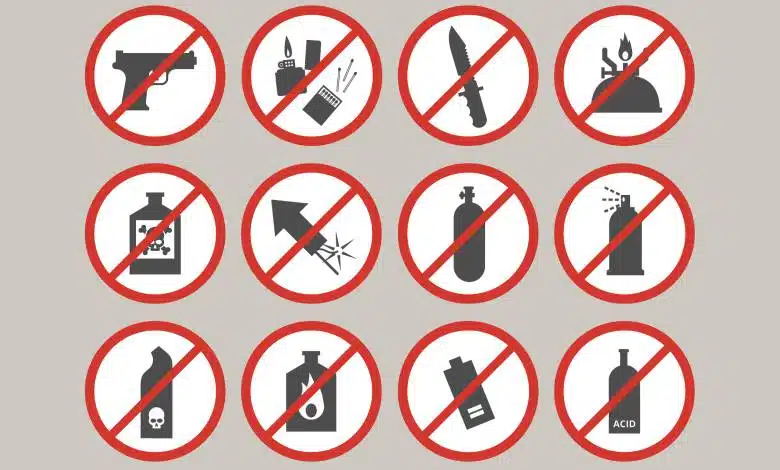
The most common restricted items are found in your garage, under the kitchen sink, or in your shed. These are strictly prohibited from being loaded onto a moving truck because the friction and temperature fluctuations during transit could trigger a dangerous reaction.
Common Hazardous Items:
- Flammables: Gasoline, kerosene, lighter fluid, oil, and paint thinner.
- Compressed Gases: Propane tanks (even if empty), fire extinguishers, and aerosol cans (hairspray, spray paint).
- Explosives: Fireworks, ammunition, and black powder.
- Corrosives: Household bleach, ammonia, battery acid, and pool chemicals.
How to Handle These Restricted Items:
The best way to handle restricted items in the hazardous category is to dispose of them safely before your move.
- Host a “Hazardous Waste” Day: Check the City of Toronto or North York municipal websites for hazardous waste drop-off locations.
- Give them away: If you have half-full bottles of cleaning supplies or garden chemicals, ask your neighbors if they can use them.
- Empty and Purge: If you are moving a lawnmower or a grill, you must drain all fuel and remove propane tanks before Top Town Movers can load them.
- Learn More >>>>How to pack properly for a move?
Category 2: Perishables and Plants
Whether you are moving locally within North York or embarking on a long-distance move across Ontario, perishables present a unique problem. A moving truck is not climate-controlled, meaning food can spoil quickly, leading to odors and pest infestations.

Perishable Items Include:
- Frozen food and refrigerated goods.
- Open food containers (flour, sugar, spices).
- Indoor and outdoor plants.
How to Handle These Restricted Items:
- The “Eat-Down” Challenge: In the weeks leading up to your move, try to cook meals using only what is currently in your freezer and pantry.
- Donate: Unopened, non-perishable canned goods can be donated to local food banks in North York.
- Transport Plants Personally: Plants are delicate and sensitive to temperature changes. If you are moving locally, it is best to transport your favorite ferns and succulents in your personal vehicle where you can control the AC or heat.
- Learn More >>>>15 Genius long distance moving tips tricks
Category 3: High-Value and Personal Essentials
At Top Town Movers, we offer specialized packing services and even piano moving to ensure your heavy and fragile items are safe. However, there are certain small items of extreme value that should never be placed in a moving box.
Restricted Personal Items:
- Financial Documents: Stocks, bonds, and checkbooks.
- Personal Identification: Passports, birth certificates, and social insurance cards.
- Valuables: Jewelry, coin collections, and cash.
- Medical Essentials: Prescription medications and medical records.
How to Handle These Restricted Items:
The rule of thumb is: If you can’t live without it for 24 hours, keep it with you. Create a “Mover’s Essentials Box” or a dedicated backpack that stays in your car. This ensures that even if there is a delay, you have your vital documents and medications on hand.
Special Considerations: Piano Moving and Senior Moving
As a specialized service provider in North York, we often encounter unique restrictions during Senior Moving or Piano Moving projects.
Piano Moving
Pianos are sensitive instruments. While they aren’t “restricted” in terms of safety hazards, they require specialized equipment. You should never attempt to handle restricted items like a grand piano by packing it into a standard box or using DIY methods. Top Town Movers uses specialized skids and padding to ensure the internal mechanisms (the “action”) are not damaged during the move.
Senior Moving
Moving out of a long-time family home often involves discovering items that haven’t been touched in decades—old paint cans in the basement or antique cleaning fluids. We work closely with seniors and their families to identify these restricted items early in the packing process, helping to arrange for proper disposal or donation so the transition to a new residence is seamless.
Step-by-Step Guide: How to Handle Restricted Items Effectively
To make your move with Top Town Movers as smooth as possible, follow this checklist to handle restricted items:
1. Identify and Segregate
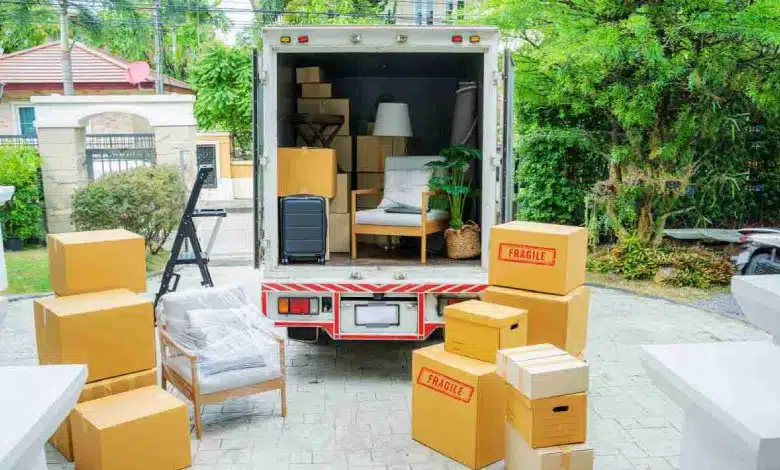
Go through your home room by room. Identify anything that could be considered hazardous, perishable, or high-value. Place these items in a designated “Do Not Pack” zone.
2. Consult the Experts
If you are unsure about a specific item—like a specialized hobby chemical or a large battery—call us! Our team at Top Town Movers can provide immediate clarity on what we can and cannot transport according to Ontario regulations.
3. Proper Disposal
Do not simply throw hazardous materials in the trash. This is illegal in many parts of Ontario and harmful to the environment. Utilize North York’s Community Environment Days to drop off restricted waste.
4. Preparation of Equipment
For items like lawnmowers, chain saws, or motorcycles, ensure the fuel is drained at least 24 hours before the movers arrive. This allows any residual fumes to dissipate.
- Learn More >>>>A Complete Move Out Cleaning Checklist
The Top Town Movers Advantage
When you choose Top Town Movers, you aren’t just getting a truck and a crew; you’re getting a team that understands the nuances of Ontario’s moving landscape. Whether you need local moving in North York, long-distance moving across the province, or professional packing services, we guide you through every step.
Knowing how to handle restricted items protects your investment. By removing hazards and securing your valuables, you allow our movers to focus on what they do best: safely transporting your furniture and belongings to your new home.
Conclusion
A successful move is built on preparation. While it might seem like a hassle to figure out how to handle restricted items, doing so ensures that your moving day is free of stress and safety hazards. From the delicate keys of a piano to the heavy lifting of a senior transition, Top Town Movers is here to support the North York community with transparency and expertise.