

Moving to a new home is a significant life event that brings both excitement and a fair share of stress. When you are relocating within Ontario or the North York area, ensuring that your precious belongings arrive at your new destination in pristine condition is likely your top priority. Among all the items in a household, wooden furniture often requires the most specialized care. Whether it is a vintage oak dining table, a mahogany dresser, or a sentimental piano, wood is susceptible to scratches, dents, moisture, and structural damage if not handled correctly.
At Top Town Movers, we specialize in local moving, long-distance moving, and specialty items like piano moving. We understand that your furniture represents both a financial investment and a collection of memories. This guide is designed to provide you with a comprehensive strategy to protect wooden furniture during every stage of your relocation.
Understanding the Vulnerability of Wood
Before diving into the mechanics of packing, it is important to understand why wooden pieces are so delicate. Wood is an organic, porous material. It reacts to changes in temperature and humidity, which are common occurrences during moves in Ontario’s varying climate. Furthermore, the finish on wood—whether it is lacquer, wax, or paint—is easily marred by friction or impact.
If you do not properly protect wooden furniture, you risk permanent damage that can be costly to repair. By taking a proactive approach, you ensure that your heirlooms and everyday pieces remain beautiful for years to come.
Step 1: Inventory and Assessment
The first step in any successful move is a thorough assessment. Walk through your home and identify every piece of wooden furniture. Take photographs of each item from multiple angles. This serves two purposes: it creates a record of the furniture’s condition for insurance purposes and helps you visualize how pieces might need to be disassembled.
During this stage, determine which items are particularly fragile. Antique pieces or large items like pianos require extra attention. If you feel overwhelmed by the volume of furniture, remember that professional packing services can take this burden off your shoulders, ensuring that every leg, corner, and surface is accounted for.
- Learn More >>>>Choosing the Best Long Distance Movers
Step 2: Cleaning and Preparing the Surface
It might seem counterintuitive to clean furniture right before putting it in a moving truck, but it is a vital step to protect wooden furniture. Dust and debris act like sandpaper when trapped between the wood surface and packing materials. As the truck vibrates during transit, these tiny particles can grind into the finish, leaving fine scratches.
Use a soft microfiber cloth to wipe down all surfaces. Avoid using heavy oils or thick polishes right before a move, as these can make the wood slippery and more difficult to handle. Ensure the furniture is completely dry before wrapping; any trapped moisture can lead to mold growth or cause the wood to warp, especially if the items are headed into storage.
Step 3: Disassembly for Safety
One of the most effective ways to prevent damage is to reduce the profile of the furniture. Large, protruding parts are the most likely to get caught on doorframes or bumped in the truck.
- Remove table legs if possible.
- Take off detachable mirrors from dressers.
- Remove shelving from bookcases.
- Take out drawers or secure them properly.
When you disassemble furniture, place all screws, bolts, and small hardware into a labeled sealable plastic bag. Tape this bag to the underside of the furniture piece or keep all hardware bags in a single, dedicated box. This prevents the frustration of arriving at your new North York home only to find you are missing the vital components needed to rebuild your bed frame.
Step 4: Gathering the Right Materials
To protect wooden furniture effectively, you need the right tools. Standard cardboard boxes aren’t enough for large furniture. You will need:
- Moving blankets (also known as furniture pads).
- Bubble wrap (for small, delicate components only).
- Stretch wrap (plastic film).
- Corrugated cardboard sheets.
- High-quality packing tape.
- Foam padding or corner protectors.
A critical rule in furniture protection is that plastic should never touch the wood directly. If moisture gets trapped under plastic wrap, it can ruin the finish or cause the wood to “sweat.” Always use a moving blanket or paper padding as a primary layer before using plastic wrap to secure the padding.
- Learn More >>>>Common moving mistakes you have to avoid !
Step 5: The Wrapping Process
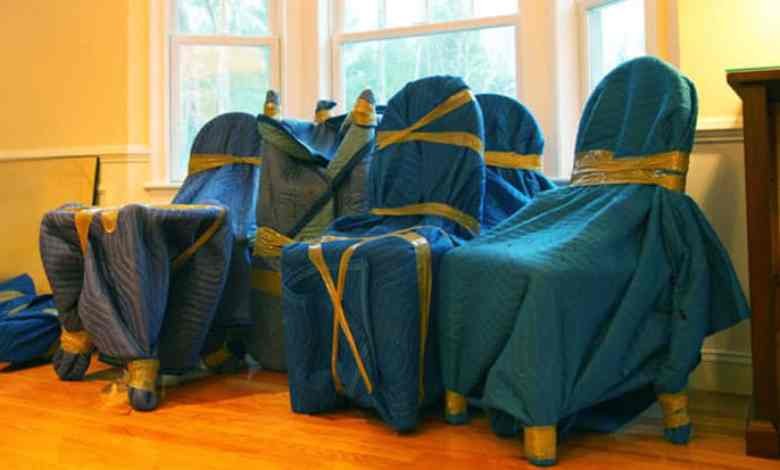
The wrapping process is where the actual protection happens. Start by covering the entire piece with moving blankets. Ensure that the blankets overlap so no part of the wood is exposed. Once the blankets are in place, use stretch wrap to bind the blankets to the furniture. Again, ensure the plastic wrap only touches the blankets, not the wood itself.
For extra protection on high-value items, you can sandwich layers of corrugated cardboard between the blankets and the outer wrap. This adds a “hard shell” layer that can absorb significant impacts.
If you are moving a piano, this process becomes even more technical. Given the weight and the internal mechanical delicacy of pianos, Top Town Movers recommends using our specialized piano moving service. We use heavy-duty padding and custom skids to ensure the instrument remains balanced and protected against the slightest jarring.
Step 6: Specialized Care for Seniors and Heirlooms
Moves involving seniors often include the transport of antique furniture that has been in the family for generations. These pieces are often more susceptible to damage because the wood may be drier or the joints more brittle.
When we provide senior moving services, we prioritize a “white-glove” approach. This involves double-padding corners and ensuring that the furniture is never placed under heavy loads in the moving truck. If you are doing this yourself, treat these pieces with extreme patience. Never drag a piece of wooden furniture across the floor; always lift it completely or use furniture sliders to prevent stress on the legs.
- Learn More >>>>15 Genius long distance moving tips tricks
Step 7: Strategic Loading in the Moving Truck
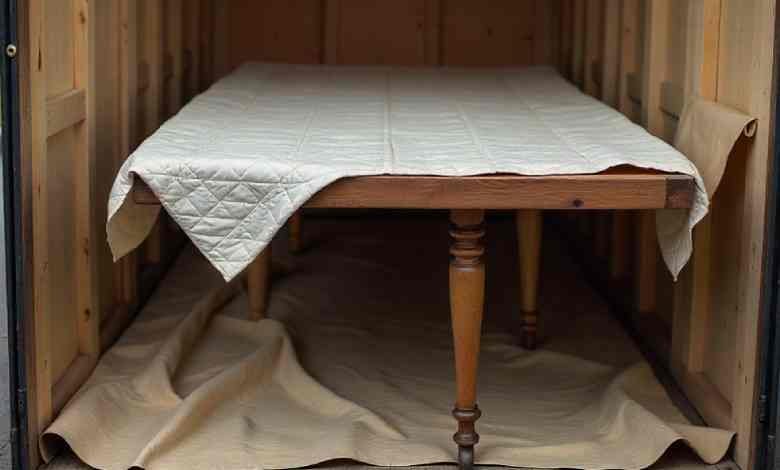
How you place your furniture in the truck is just as important as how you wrap it. To protect wooden furniture during a long-distance move, you must create a stable environment where items cannot shift.
- Create a Base: Place heavy, sturdy items at the bottom.
- Vertical Space: Use mattresses or large flat panels to create “walls” that keep furniture upright.
- Tie-Downs: Use Ratchet straps or rope to secure large pieces to the walls of the truck. This prevents the furniture from sliding forward during braking or backward during acceleration.
- Avoid Stacking: Never place heavy boxes with sharp corners on top of a polished wooden tabletop, even if it is wrapped. The concentrated weight can leave permanent indentations in the wood.
- Learn More >>>>Tips to Make Moving Less Stressful
Step 8: Climate Considerations in Ontario
Ontario weather can be unpredictable. From humid summers to freezing North York winters, temperature fluctuations are the enemy of wood. Wood expands and contracts with the weather. If you are moving during a rainy day, ensure your furniture is fully covered before it leaves the house.
If your move involves a transition period where your items need to be kept in storage, ensure you choose a climate-controlled facility. Standard storage units can reach extreme temperatures that cause wood to crack or glue joints to fail. Our storage solutions are designed to maintain a consistent environment, providing the ultimate way to protect wooden furniture over the long term.
Step 9: Unpacking and Post-Move Care
Once you arrive at your new home, the temptation is to rip off the wrapping immediately. However, if there has been a significant temperature difference between the truck and the house, let the furniture sit for an hour before unwrapping. This allows the wood to acclimate slowly.
When you do unwrap, check the furniture immediately for any signs of stress. Use a soft cloth to remove any dust that may have settled during the move. Reassemble the pieces carefully, ensuring that all screws are tightened but not over-stressed.
- Learn More >>>>How to Pack for a Move
Why Professional Help Matters
While a DIY move is possible, the complexities of protecting high-quality wood often make professional intervention the safer choice. At Top Town Movers, our team is trained in the specific techniques required to navigate tight hallways in North York apartments and the logistical challenges of long-distance relocations.
Our packing service uses industrial-grade materials that are often superior to what is available at retail stores. More importantly, we have the experience to know exactly where a piece of furniture is most vulnerable. Whether it is a routine local move or a complex senior relocation, our goal is to ensure that your wooden furniture arrives looking exactly as it did when it left.
Conclusion
Your furniture is part of what makes a house a home. By taking the time to clean, disassemble, wrap, and secure your items, you are investing in the longevity of your belongings. Remember that the key to protect wooden furniture lies in the details—the extra layer of padding, the climate-controlled storage, and the careful handling of a professional team.
If you are planning a move in Ontario, let Top Town Movers handle the heavy lifting and the delicate wrapping. From packing services to specialized piano moving, we have the expertise to make your transition seamless and your furniture safe.